
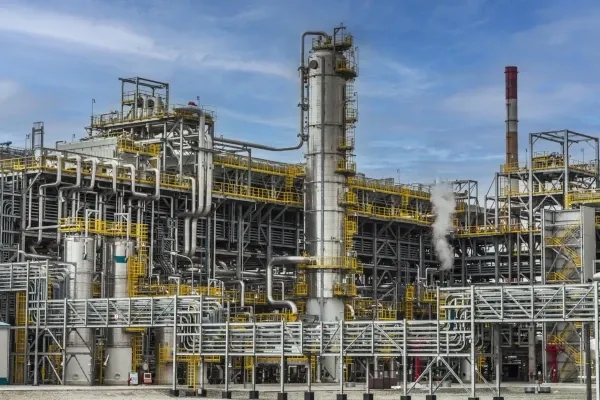

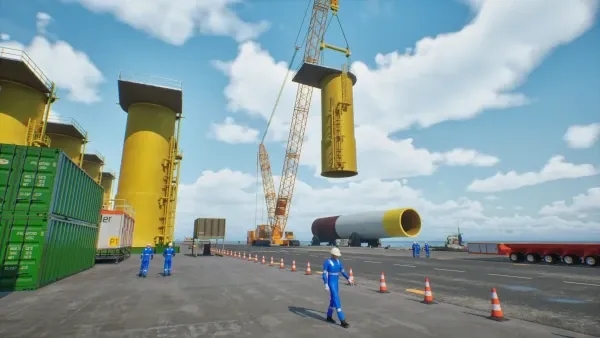
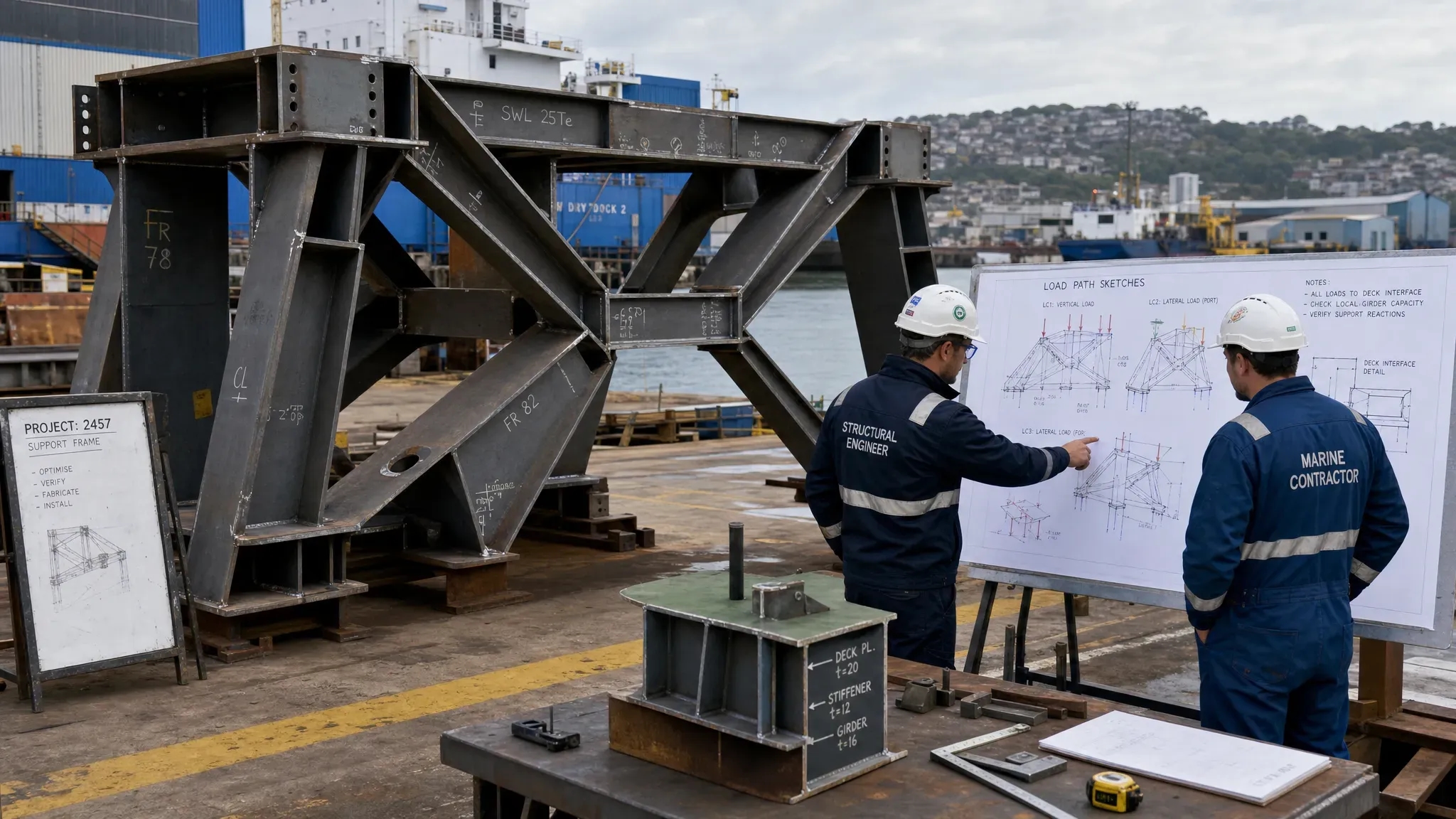
Design engineering that cuts steel, cost and approval risk
2026-06-06
In offshore, maritime and energy projects, steel is never just steel. Every extra tonne affects fabrication hours, welding volume, coating, transport, vessel capacity, lifting configuration, seafastening loads and approval documentation. In high-mobilisation environments, a conservative detail that looks harmless on a drawing can become a schedule risk once it reaches the yard or the quay.
Good design engineering does not cut steel by weakening a structure. It removes unnecessary complexity while protecting the load path, fatigue performance, operational safety and approval basis. The objective is not the lightest possible design in isolation. The objective is a buildable, traceable and class-ready solution that performs as intended during fabrication, transport, lifting, installation, operation and maintenance.
For technical directors, EPC contractors, marine contractors, shipyards and renewable energy developers, this is where engineering value is created. Not in producing drawings quickly, but in making the right decisions early enough to avoid late reinforcement, rework, approval delays or offshore execution problems.
Why steel, cost and approval risk are connected
Steel weight, project cost and approval risk often rise together because they are driven by the same root causes: uncertain loads, unclear interfaces, conservative assumptions, late vessel information and insufficient connection between analysis and fabrication.
A structure may pass a global calculation but still create problems if it requires awkward access, excessive weld lengths, tight tolerances, complex lifting points or reinforcement that clashes with existing vessel structure. In the same way, a design may look efficient in a 3D model but fail to convince a Marine Warranty Surveyor, class society or client reviewer if the assumptions are not clearly documented.
Approval bodies do not only review whether stresses are acceptable. They need to understand the design basis, operational envelope, environmental assumptions, load cases, safety factors, inspection access, weld categories, fatigue considerations and how the design interacts with the vessel or asset. If that story is incomplete, comments multiply and the project loses time.
The best opportunity to reduce cost is therefore not at the end of detailed engineering. It is at the start, when the team can still influence layout, load paths, vessel selection, fabrication approach and the approval strategy.
Where unnecessary steel usually enters the design
Overweight designs are often not the result of one poor decision. They usually grow through small conservative choices that are never challenged as a complete system.
Common causes include:
- Unclear design basis, causing each discipline to add its own contingency.
- Late confirmation of vessel capacities, grillage support points or underdeck structure.
- Temporary works designed without sufficient input from marine operations.
- Overly complex welded connections that increase yard hours and inspection requirements.
- Fabrication tolerances that are not considered until after drawings are issued.
- FEM results that are not translated into practical reinforcement details.
- Approval documentation that does not clearly connect calculations, drawings and procedures.
None of these issues means safety is being taken too seriously. Safety margins are essential. The problem is uncontrolled conservatism, where weight increases without adding meaningful risk reduction. Effective design engineering separates necessary strength from unnecessary steel.
Start with a controlled design basis
A strong design basis is one of the most effective cost-control tools in complex engineering. It defines the rules of the game before the team begins optimising geometry or member sizes.
For offshore transport, lifting, installation, vessel retrofit or heavy lift scopes, the design basis should clarify at least the following: applicable standards, class or MWS requirements, load combinations, environmental conditions, allowable vessel motions, operational limits, dynamic amplification factors, fatigue requirements, material assumptions and inspection requirements.
This is also where interface ownership must be established. A seafastening grillage, for example, is not only a structural item. It interacts with the cargo, vessel deck, underdeck stiffening, sea state, transport route, fastening method, lifting sequence, fabrication access and removal procedure. If those interfaces are not defined early, the design will either become overly conservative or require late changes.
A controlled design basis gives the engineering team permission to optimise. Without it, every reduction becomes difficult to defend during review.
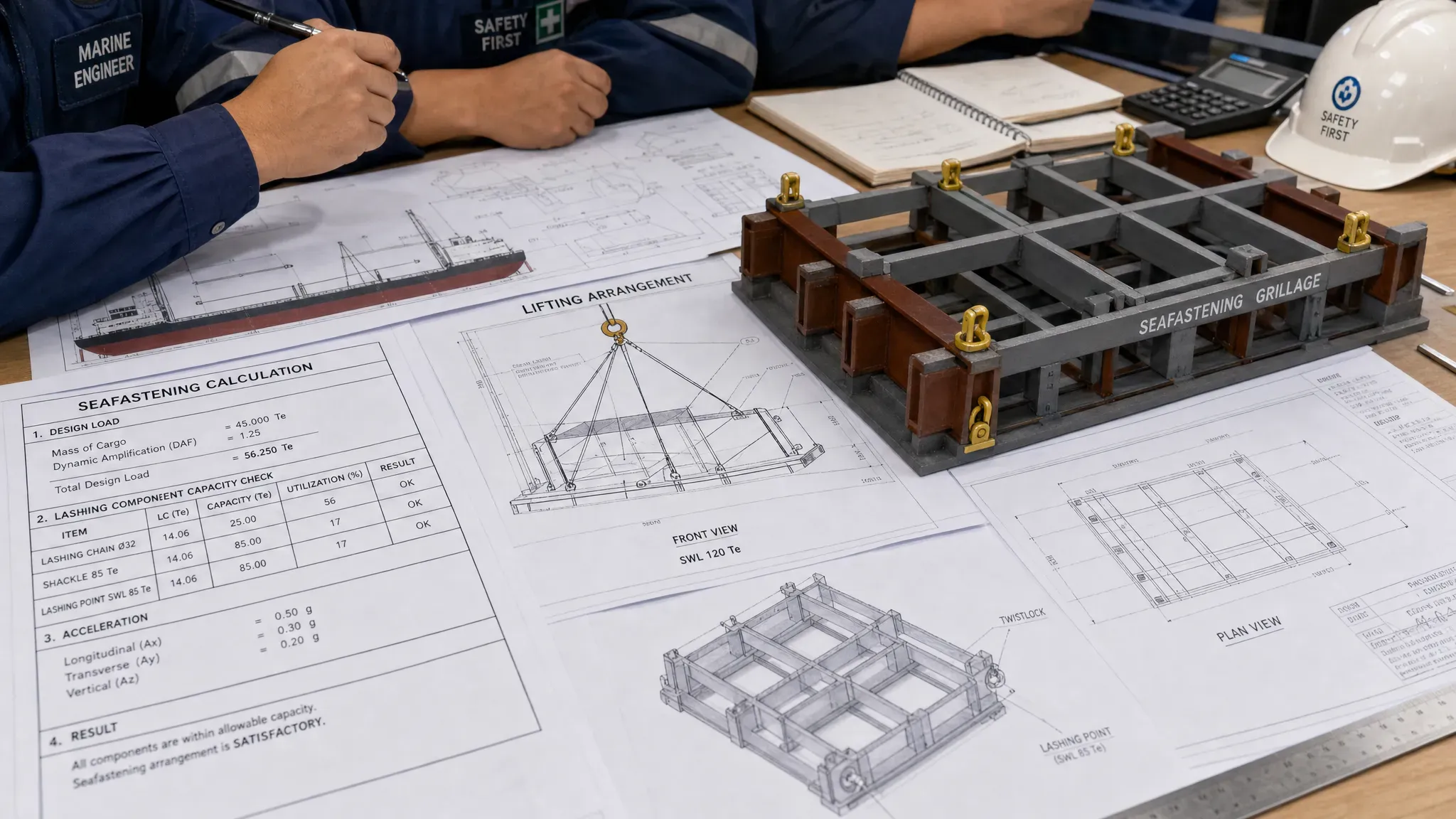
Design around the real load path
Steel optimisation starts with understanding how forces actually move through the structure. This sounds obvious, but it is where many temporary works, retrofit structures and marine fabrication scopes become inefficient.
A load path should be direct, inspectable and compatible with the supporting structure. If the load path is unclear, designers compensate with larger plates, additional brackets and local reinforcement. That may solve a stress peak in one area, but it can also create new stiffness discontinuities, fatigue-sensitive details or fabrication problems elsewhere.
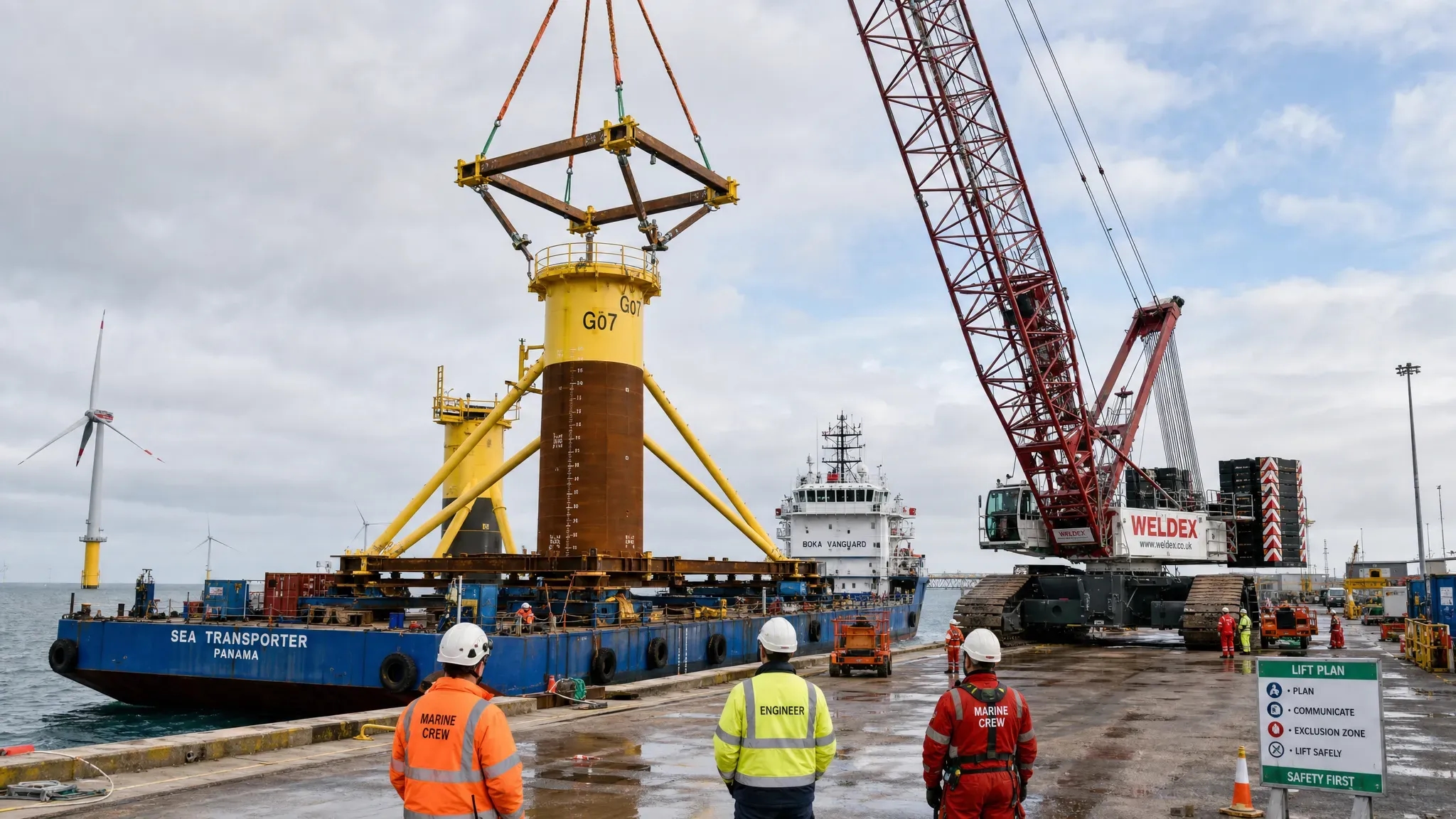
For a heavy lift frame, this means aligning lift points, spreader reactions, sling angles and padeye details with the primary structural members wherever possible. For a vessel retrofit, it means carrying equipment loads into existing frames, bulkheads or decks without creating local overstress or hard spots. For offshore wind transport, it means ensuring grillages and seafastening structures work with the vessel structure rather than fighting it.
Finite element analysis is valuable here, but only when interpreted with engineering judgement. A colourful stress plot does not automatically define a good design. The engineer must understand boundary conditions, mesh sensitivity, local details, fatigue categories and whether the proposed reinforcement can actually be fabricated, inspected and approved.
Reduce fabrication complexity, not only material weight
A lighter design is not always cheaper. If weight is removed by introducing complex cut-outs, difficult weld access, tight fit-up requirements or high inspection burden, the yard may spend more time building it than it saves in material.
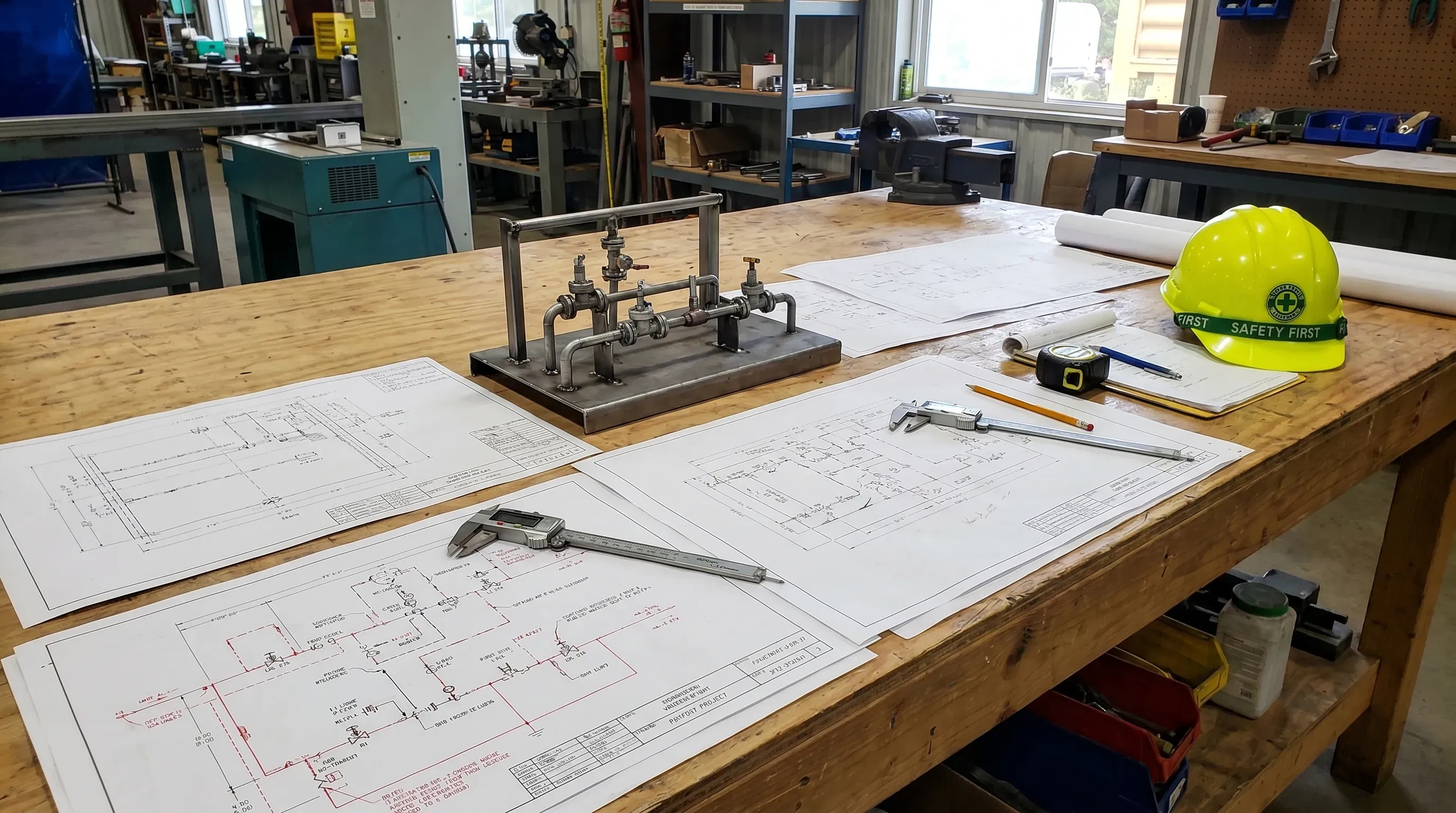
Practical design engineering looks at the full fabrication route. That includes plate availability, weld length, weld position, access for NDT, bolting strategy, coating access, lifting during fabrication, transport to site and installation tolerances. In shipyard and offshore construction environments, these factors can have as much cost impact as the steel tonnage itself.
A design that uses a slightly heavier standard section may be more cost-effective than a highly optimised custom detail if it reduces procurement time, improves weld access and shortens fabrication. Conversely, a smart change to the load path may remove several tonnes of steel without increasing complexity. The right answer depends on the project constraints, not on weight alone.
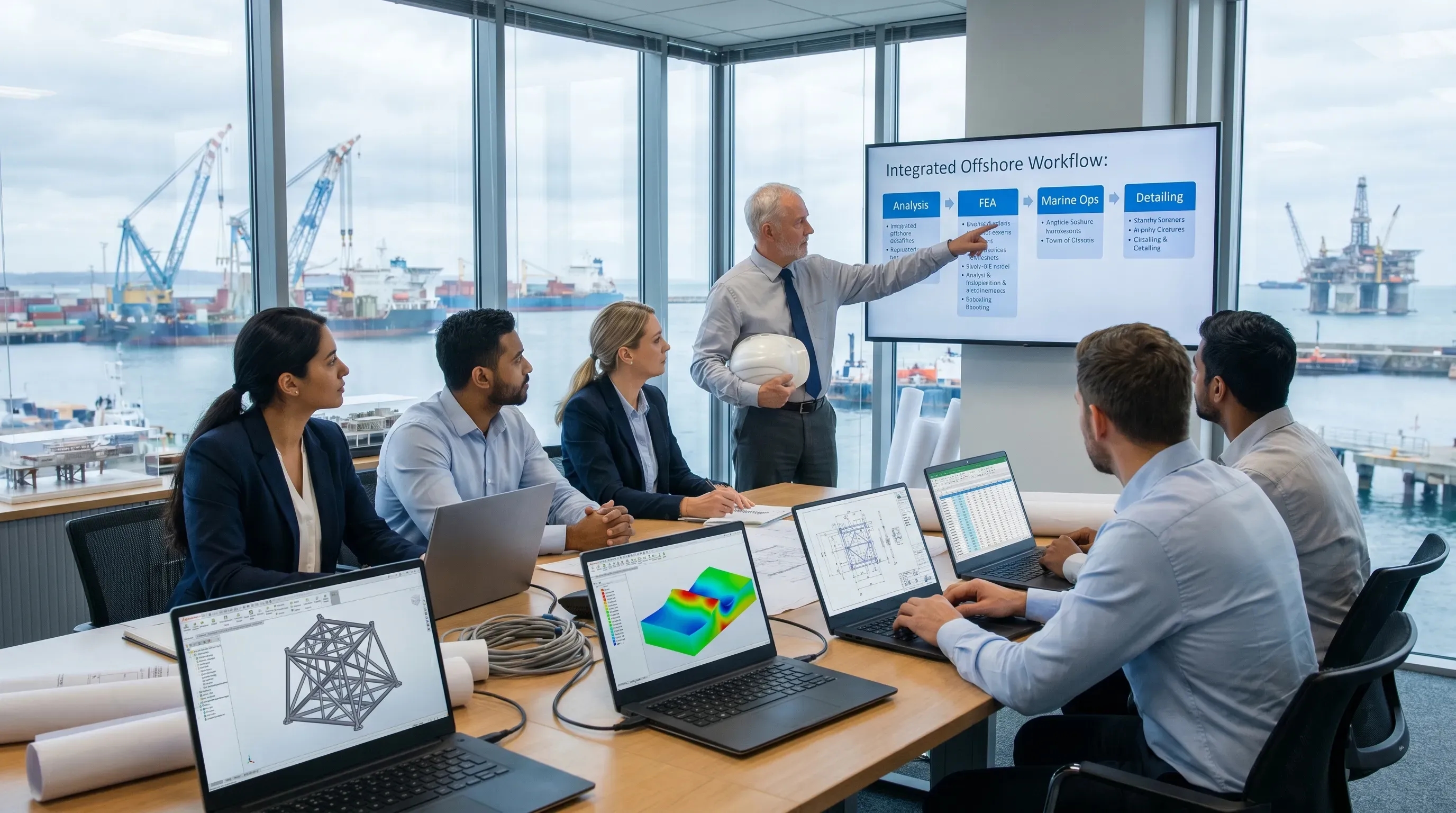
This is why engineering and detailing should not be treated as separate worlds. Detailers need the design intent, and engineers need feedback on how the structure will be built. When this loop is active, drawings become clearer, shop queries decrease and approval comments are easier to resolve.
Build approval readiness into the engineering workflow
Approval risk is often created long before documents are submitted. If the calculations, drawings, procedures and assumptions evolve separately, reviewers must spend time reconstructing the engineering logic. That usually leads to more questions, longer comment cycles and delayed release for fabrication or mobilisation.
Approval-ready design engineering connects every deliverable back to the same technical basis. A reviewer should be able to follow the chain from design criteria to load cases, analysis results, detail drawings, inspection requirements and operational limits.
For marine and offshore scopes, this may include:
- Design basis and calculation notes with clear assumptions.
- FEM reports showing load cases, boundary conditions and utilisation.
- Lifting arrangements, sling loads and padeye checks.
- Seafastening and grillage drawings linked to transport conditions.
- Mooring, stability or motion analysis where relevant.
- Fabrication drawings and steel details aligned with the approved concept.
- Method statements or operational sketches that match the engineered limits.
The value is not only in producing documents. It is in producing documents that tell a consistent technical story. That consistency helps MWS, DNV, Lloyd’s Register, ABS or other reviewing parties understand the design faster and with fewer open issues.
Use early optioneering to avoid expensive late optimisation
Many projects try to optimise steel after the concept has already been fixed. At that stage, the team can adjust plate thicknesses or local stiffeners, but the main cost drivers may already be locked in.
Early optioneering is more powerful because it can compare structural arrangements, installation sequences, vessel interfaces and fabrication methods before the project commits to a route. For example, an offshore transport scope may compare different grillage positions, support spacing or sea fastening philosophies. A retrofit scope may compare equipment layouts based on structural integration, piping route efficiency and class implications. A decommissioning lift may compare lift point locations and reinforcement strategies before offshore preparation begins.
The questions should be practical:
- Can the load be transferred into existing structure more directly?
- Can the number of major welded connections be reduced?
- Can standard sections or repeatable details replace bespoke fabrication?
- Can installation access be improved without increasing structural demand?
- Can the approval package be simplified by choosing a clearer load case strategy?
This type of optioneering does not need to slow the project down. When managed properly, it prevents the much larger delay of redesigning after fabrication comments, class review or mobilisation planning reveals a problem.
Coordinate engineering with marine operations
Marine projects fail when design assumptions and operational realities diverge. A structure may be adequate on paper but unsuitable for the actual vessel, lifting equipment, deck layout, route conditions or offshore sequence.
Heavy lift and transport engineering must account for dynamic effects, sling geometry, crane capacity, clearances, vessel motions, deck strength, ballast conditions and weather windows. Seafastening must resist transport loads while remaining buildable, inspectable and removable. Mooring and stability considerations can limit the practical operating envelope. Retrofit and piping work must respect existing vessel systems, access routes and class constraints.
The earlier these operational factors enter the design, the more opportunities there are to reduce steel and risk. For instance, changing a lift orientation may reduce padeye reinforcement. Adjusting a support location may align loads with stronger deck structure. Revising a piping route may reduce secondary steel and improve maintainability. These are engineering decisions with direct cost and schedule impact.
This coordination also improves offshore safety. Clear lifting arrangements, traceable calculations, realistic tolerances and well-defined operational limits give site teams a design they can execute with confidence.
Make technical communication part of the risk strategy
Even the best engineering can create risk if it is not communicated clearly. Offshore projects involve client teams, vessel crews, fabrication yards, MWS reviewers, class surveyors, HSE teams, procurement, subcontractors and site supervisors. Each group needs a different level of technical detail, but all must understand the critical assumptions and constraints.
Technical animations, visualisations and step-by-step operation models can help explain complex lifts, transport arrangements, retrofit sequences or installation procedures. They are especially useful in tenders, QHSE briefings, project reviews and offshore readiness discussions. The purpose is not to make engineering look impressive. The purpose is to reduce ambiguity before people and equipment are exposed to operational risk.
Communication skills also matter when teams need to handle review comments, client questions or difficult interface discussions. For organisations that want structured practice in technical stakeholder conversations, scenario-based tools such as AI roleplay training for team communication can help personnel rehearse responses, build confidence and improve consistency before high-pressure meetings.
How Fusie Engineers approaches practical design engineering
Fusie Engineers supports offshore, maritime, renewable energy and industrial clients with engineering that is designed for execution, not only calculation. The team combines structural engineers, mechanical designers, heavy lift engineers and naval architects to address the interfaces that often drive steel weight, approval comments and project delays.
Typical scopes include offshore structural design, heavy lift engineering, ship design, vessel retrofits, piping design, marine engineering, steel detailing, decommissioning support, seafastening, grillages, custom tools and offshore installation structures. Depending on the project, deliverables may include FEM calculations, motion analyses, lifting arrangements, mooring reports, stability checks, drawings, shop details and approval documentation.
The engineering focus is practical: reduce unnecessary steel, avoid avoidable fabrication complexity, support timely approvals and maintain a clear link between design assumptions and operational execution. This is especially important when project teams are under pressure from mobilisation dates, vessel availability, yard slots or class review timelines.
Fusie Engineers also supports technical animation and VFX where visual explanation improves tender quality, stakeholder alignment or operational readiness. For complex marine operations, that visual layer can help bridge the gap between calculation packages and the people responsible for executing the work offshore or in the yard.
What project teams should prepare before engaging a design partner
A design partner can move faster and make better decisions when the technical starting point is clear. The information does not need to be perfect, but it should be structured enough to identify risk early.
Useful input includes:
- Project objective, operating environment and key constraints.
- Vessel drawings, deck layouts, underdeck structure and allowable loads.
- Cargo, equipment or structure weights, centres of gravity and interface points.
- Applicable standards, class requirements and MWS expectations.
- Fabrication location, yard capabilities and preferred materials.
- Transport, lifting, installation or retrofit sequence assumptions.
- Required deliverables, review milestones and approval deadlines.
When this information is incomplete, the engineering team should highlight assumptions and open points rather than hiding them. Transparent uncertainty management is a major part of approval readiness. It allows the client, operations team and reviewers to make informed decisions before the design becomes expensive to change.
The real saving is fewer surprises
Reducing steel is valuable, but it is not the only measure of good design engineering. The larger saving often comes from fewer surprises: fewer shop queries, fewer late reinforcements, fewer approval cycles, fewer offshore workarounds and fewer schedule disruptions.
A buildable design protects fabrication time. A clear load path protects safety. A consistent approval package protects the mobilisation schedule. A vessel-aware arrangement protects operations. When these elements are integrated, the project team gains more than a lighter structure. It gains control.
For offshore contractors, shipyards, EPC contractors, vessel owners and renewable energy developers, that control is what turns engineering into project value.
Frequently asked questions
How does design engineering reduce steel without reducing safety? It reduces unnecessary steel by clarifying load paths, validating assumptions, aligning the structure with vessel or asset capacity and removing inefficient details. Safety factors, class requirements and operational limits remain central to the design.
When should steel optimisation start? Steel optimisation should start during concept and design basis development. Once the main layout, support points, vessel interfaces and installation method are fixed, optimisation options become narrower and late changes become more expensive.
Why is approval risk linked to engineering documentation? Reviewers need to understand the full technical logic behind a design. If calculations, drawings, assumptions and procedures are inconsistent or incomplete, review comments increase and approval can be delayed.
Is the lightest structure always the cheapest? No. A lighter structure can be more expensive if it requires complex welding, difficult access, non-standard materials or high inspection effort. The most cost-effective design balances weight, fabrication simplicity, installation practicality and approval clarity.
Where can Fusie Engineers support this process? Fusie Engineers can support concept development, structural design, FEM calculations, heavy lift engineering, marine engineering, ship design, vessel retrofit, piping, steel detailing, seafastening, grillages, approval documentation and technical visualisation.
Need design engineering support for a complex marine or energy project?
If your project depends on safe lifting, efficient steelwork, vessel-aware design or approval-ready documentation, Fusie Engineers can support the engineering from early concept through detailed calculations, drawings and execution preparation.
Whether the scope involves offshore wind, shipbuilding, vessel retrofit, heavy lift, decommissioning, dredging, green tech or traditional energy, the focus remains the same: practical engineering decisions that reduce steel, control cost and lower approval risk before they affect the mobilisation schedule.